

Staying Vigilant to Maintain Recovery from Addiction
Inquire about the qualifications of staff members as well as the specifics of the therapies offered prior to committing to a particular program. Finding the right facility for you involves the inclusion of a physician, therapist, or other healthcare provider to help you choose a facility to address all of your needs, including addiction and co-occurring disorders. Beyond that, you may narrow the field based on location, additional services, amenities, alcohol relapse rate and accreditations and certifications. Furthermore, many treatment centers and facilities offer alumni programs that allow program graduates to stay involved. Alumni programs provide accountability and let individuals remain as part of the supportive recovery community. Rehabs with alumni networks typically connect individuals with this resource while they are still in treatment so they are already part of the community when formal treatment ends.
- From there, he tells me in his first group therapy session in rehab that he began experimenting with a range of different drugs and drinking “whatever he could get his hands on”.
- Without it, individuals can go to self-help meetings, have a sponsor, do step work, and still relapse.
- Once a person has experienced addiction, it is impossible to erase the memory.
- For example, they may choose to smoke marijuana to relieve stress after a year of sobriety or have a glass of wine with friends because they feel like they can manage it without going overboard.
They feel they are doing something wrong and that they have let themselves and their families down. They are sometimes reluctant to even mention thoughts of using because they are so embarrassed by them. Relapse doesn’t happen immediately; rather, it is a gradual process that is different for each person. The process https://ecosoberhouse.com/ of relapse starts weeks and even months before you consume alcohol or ingest drugs into your system.3 Relapse occurs in three stages that include emotional, mental, and physical. Because addiction can affect so many aspects of a person’s life, treatment should address the needs of the whole person to be successful.
Young Adults Aged 18-25
In both 2021 and 2022, adults ages 35–44 had the highest rate among people age 15 and older, and adults age 65 and older had the lowest. Between 2021 and 2022, rates of drug overdose deaths decreased for people ages 15–34 and increased for adults age 35 and older. These efforts include improving timely opioid overdose reporting to key stakeholders. This information is a valuable tool for planning and can help identify where communities are struggling, help tailor interventions, and show improvements. The addiction treatment community as a whole will benefit from the understanding that no matter the quality of care that a given facility can offer patients struggling with alcohol use disorders, relapse is inevitable. Returning to the statistic that says people who get treatment for substance abuse relapse at a rate of 40% to 60%, this seems very high on its face, but less so when compared to other chronic diseases.
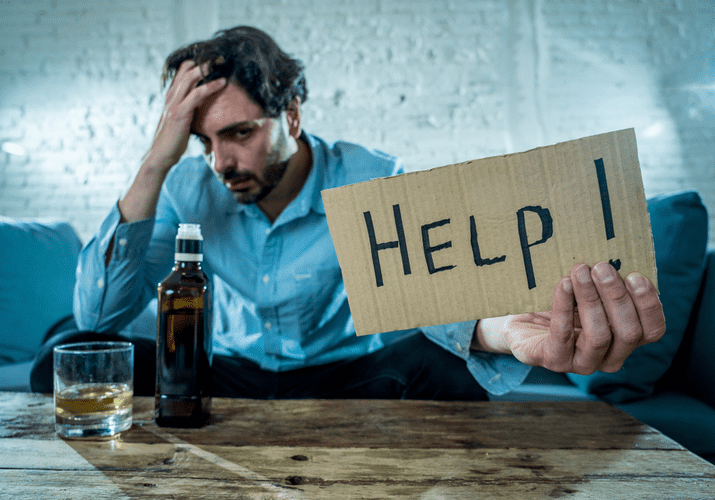
A “freelapse”, on the other hand, is the colloquial term for an accidental relapse that happens when a person unintentionally uses drugs or alcohol. This could happen when they mistakenly drink alcohol thinking they were being given a non-alcoholic beverage at a party. Obviously, if someone is under the influence of alcohol, opioids or other drugs, the visible effects of those drugs are pretty good indicators for relapse.
How Common Is Recurrence of Use After a Period of Recovery?
While rates vary, it’s been estimated that between 40% and 60% of people with addiction will experience a relapse. Ben suffered a horrific injury in a car accident when he was 21 and became dependent on painkillers. From there, he tells me in his first group therapy session in rehab that he began experimenting with a range of different drugs and drinking “whatever he could get his hands on”. He has had two one-week stints in rehab and countless sessions with psychologists and therapists over the years to help him recover from his drug and alcohol addictions.
- The addiction treatment community as a whole will benefit from the understanding that no matter the quality of care that a given facility can offer patients struggling with alcohol use disorders, relapse is inevitable.
- American society has very few issues with drinking, and alcohol is sold at sporting events, bowling alleys, arcades and nearly every restaurant, making it extremely difficult to avoid for those in recovery.
- Misclassification for Native Hawaiian or Other Pacific Islander people has not been evaluated.
- Similarly, some studies suggest a relapse rate for opioids as high as 80 to 95 percent during the first year after treatment.
- This transformation leads to withdrawal symptoms and intense cravings for alcohol when changing your habits.
Another reason why alcohol relapse rates may be higher than rates for other substances is the belief that alcohol is easy to detox from, causing many alcoholics to do so without professional help from dedicated addiction medicine specialists. Clients are encouraged to identify whether they are non-users or denied users. A denied user is in chronic mental relapse and at high-risk for future relapse. Clinical experience has shown that everyone in early recovery is a denied user.
Rule 1: Change Your Life
This allows any bodily fluids to drain out of the mouth and nose, reducing the risk of aspiration and asphyxiation. 3) Clients feel they are not learning anything new at self-help meetings and begin to go less frequently. Clients need to understand that one of the benefits of going to meetings is to be reminded of what the “voice of addiction” sounds like, because it is easy to forget.
Most people with alcohol and drug addiction survive – NPR
Most people with alcohol and drug addiction survive.
Posted: Sat, 15 Jan 2022 08:00:00 GMT [source]
Sometimes they think that avoiding high-risk situations is a sign of weakness. As individuals go deeper into mental relapse, their cognitive resistance to relapse diminishes and their need for escape increases. Another goal of therapy at this stage is to help clients identify their denial. I find it helpful to encourage clients to compare their current behavior to behavior during past relapses and see if their self-care is worsening or improving. Alcohol relapse doesn’t mean that you or your treatment program has failed.