


Por que escolher a China como um destino de estudo?
A China, com sua rica herança cultural, rápido crescimento econômico e instituições educacionais de classe mundial, tornou-se uma escolha cada vez mais popular para estudantes internacionais. O país oferece uma gama diversificada de programas acadêmicos, oportunidades de pesquisa e inovação e uma chance de mergulhar em uma sociedade vibrante e dinâmica.

Benefícios de estudar na China
Estudar na China traz inúmeros benefícios para estudantes internacionais. Em primeiro lugar, oferece exposição a uma perspectiva global e a oportunidade de aprender sobre a história, o idioma e as tradições da China. Além disso, a economia em expansão da China oferece amplas perspectivas de carreira e oportunidades de networking. Além disso, estudar na China costuma ser mais acessível em comparação com outros destinos de estudo populares.
Visão geral do sistema educacional chinês
O sistema educacional da China é altamente considerado globalmente, com forte ênfase na excelência acadêmica e inovação. O sistema abrange uma ampla gama de instituições de ensino, incluindo universidades, faculdades e escolas profissionais. O sistema é dividido em diferentes níveis, desde a educação primária até a educação superior, com vários caminhos e especializações disponíveis.
Campos de estudo populares na China
A China oferece uma gama diversificada de campos de estudo, atendendo a vários interesses acadêmicos e objetivos de carreira. Alguns dos campos de estudo populares para estudantes internacionais na China incluem:
Engenharia e Tecnologia
A China é conhecida por seus avanços em engenharia e tecnologia. Os alunos podem seguir programas em áreas como engenharia civil, ciência da computação, engenharia elétrica, engenharia mecânica e muito mais.
Negócios e Economia
Com sua economia robusta e influência global, estudar negócios e economia na China oferece uma perspectiva única. Os estudantes internacionais podem explorar programas em áreas como negócios internacionais, finanças, marketing, economia e empreendedorismo.
Medicina e Saúde
A China possui renomadas universidades médicas e institutos de pesquisa que oferecem educação médica de alta qualidade. Estudantes internacionais interessados em seguir carreira em medicina, odontologia, enfermagem ou outras profissões de saúde podem encontrar excelentes oportunidades na China.
Estudos da Língua e Cultura Chinesas
Imergir na língua e na cultura chinesa é uma escolha popular para estudantes internacionais. Programas de língua chinesa, estudos chineses e estudos culturais oferecem uma compreensão profunda da língua, história, artes e tradições da China.
Observe que os campos de estudo acima são apenas alguns exemplos, e a China oferece uma ampla gama de opções de estudo em várias disciplinas.
Wiki Link: Estudantes Internacional
Preparando-se para sua jornada de estudos no exterior
Pesquisando Universidades e Programas na China
| Fatores a considerar | Descrição |
|---|---|
| Classificações Universitárias | Explore rankings universitários respeitáveis, como QS World University Rankings e Times Higher Education World University Rankings. |
| Ofertas do programa | Procure universidades que ofereçam programas na área de estudo desejada. |
| Língua de Instrução | Determine se o programa é ministrado em inglês ou chinês. |
Requisitos de admissão e processo de inscrição
| Requisitos Comuns | Descrição |
|---|---|
| Histórico acadêmico | Provide official transcripts from previous educational institutions, translated into Chinese or English. |
| Conhecimento linguístico | Demonstrar proficiência no idioma de instrução (inglês ou chinês) por meio de testes padronizados, como TOEFL ou IELTS. |
| Carta de recomendação | Envie cartas de recomendação de professores ou instrutores. |
| Declaração pessoal | Escreva uma declaração pessoal convincente descrevendo motivação, objetivos acadêmicos e aspirações de carreira. |
Bolsas de estudo e oportunidades de auxílio financeiro
| Oportunidades de Bolsas de Estudo | Descrição |
|---|---|
| Bolsas de estudo do governo chinês | Explore programas como a bolsa de estudos do governo chinês (CSC) e a bolsa de estudos Belt and Road. |
| Bolsas de estudo universitárias | Bolsas de pesquisa oferecidas por universidades chinesas para estudantes internacionais. |
| Bolsas de estudo externas | Explore bolsas de estudo fornecidas por governos, fundações e organizações em seu país de origem. |
Pedido de Visto e Documentação
| Passos | Description |
|---|---|
| 1. Obter carta de aceitação | Receba uma carta da universidade selecionada na China. |
| 2. Formulário de Visto Preenchido | Preencha o pedido de visto disponível no site da embaixada/consulado chinês. |
| 3. Organizar Documentos | Documentação necessária para a montagem: passaporte, fotos, extrato financeiro, relatório médico. |
| 4. Submissão da aplicação | Apresente o requerimento e os documentos à embaixada ou consulado da China. |
| 5. Entrevista (se necessário) | Compareça a uma entrevista se for obrigatório. |
| 6. Receber/Levantar o visto | Levantar seu visto aprovado e planeje sua viagem de acordo.111 |
Health Insurance and Medical Considerations
| Health and Medical Considerations | Description |
|---|---|
| Health Insurance Coverage | Maintain comprehensive health insurance that covers medical expenses, emergency evacuation, and repatriation. |
| Medical Facilities | Familiarize yourself with the medical facilities near your university and identify English-speaking options. |
| Vaccinations | Check and ensure you have received any required vaccinations before traveling to China. |
| Medication and Prescriptions | Bring an ample supply of any necessary medications, along with prescriptions and medical documents. |
| Health and Safety Guidelines | Follow health and safety guidelines provided by the university and local authorities. |
Please note that the information provided is a general overview. It is important to refer to official sources, university websites, and relevant authorities for the most up-to-date and accurate information regarding studying in China.
Choosing the Right University and Program
Top Universities in China for International Students
China is home to several top-ranked universities renowned for their academic excellence and research contributions. Some of the top universities in China for international students include:
- Tsinghua University
- Peking University
- Fudan University
- Zhejiang University
- Shanghai Jiao Tong University
These universities offer a wide range of programs across various disciplines and provide a supportive environment for international students. Research their individual strengths, faculty expertise, and rankings to find the best fit for your academic aspirations.
For more information, you can visit the List of universities in China page on Wikipedia.
Degree Programs Offered in English
Many universities in China offer degree programs taught in English, providing an opportunity for international students to study in their preferred language. These English-taught programs cover a variety of disciplines, including:
- Business Administration
- Computer Science and Information Technology
- International Relations
- Environmental Science
- Economics
Research universities and their respective programs to find English-taught options that align with your academic interests.
Academic and Research Opportunities

China offers extensive academic and research opportunities for international students. Universities in China often have well-equipped laboratories, research centers, and partnerships with industry and government institutions. Some universities also provide undergraduate research programs and opportunities for international students to participate in cutting-edge research projects.
Engaging in academic and research activities can enhance your learning experience, broaden your knowledge, and foster important connections in your field of study.
Campus Facilities and Student Life
Chinese universities provide a vibrant campus life with a wide range of facilities and activities to enrich your student experience. These may include:
- Libraries and Study Spaces
- Sports Facilities and Recreation Centers
- Student Clubs and Organizations
- Cultural Events and Festivals
- Cafeterias and Dining Options
Campus facilities and amenities contribute to a well-rounded student life, providing opportunities for personal growth, social interactions, and cultural immersion.
Alumni Networks and Career Support
Chinese universities often have strong alumni networks that can be beneficial for career development. Alumni associations and networks provide opportunities for mentorship, professional connections, and job opportunities in China and beyond.
Universities also offer career support services such as career counseling, job fairs, and internships to help international students navigate the job market and launch their careers.
Please note that the information provided is a general overview. It is important to buy our services for a more accurate for the most up-to-date and accurate information regarding your studying in China.
Living in China as an International Student
Accommodation Options and Cost of Living
As an international student in China, you have various accommodation options to consider, including:
- On-Campus Dormitories: Many universities offer on-campus dormitories specifically for international students. These dormitories provide a convenient and immersive living experience, fostering friendships and cultural exchange.
- Off-Campus Apartments: Renting an apartment off-campus allows for more independence and flexibility. It is essential to research the local rental market, understand lease agreements, and consider factors such as location, safety, and transportation accessibility.
- Homestays: Some students may choose to live with a Chinese host family to experience authentic Chinese culture and improve language skills. Homestays offer a unique opportunity for cultural immersion and a supportive environment.
In terms of the cost of living, China generally offers a relatively affordable lifestyle for international students. Expenses may include accommodation, food, transportation, utilities, and personal expenses. The cost of living can vary depending on the city or region you reside in. It is advisable to create a budget and manage your finances wisely.
For more information, you can visit the Cost of Living in China page on Wikipedia.
Cultural Adaptation and Language Learning
Adapting to a new culture and language can be both exciting and challenging. Here are some tips for cultural adaptation and language learning in China:
Cultural Adaptation
- Embrace Differences: Embrace and respect the cultural differences you encounter. Learn about Chinese customs, traditions, and social norms to navigate daily life more smoothly.
- Engage in Cultural Activities: Participate in cultural events, festivals, and activities to immerse yourself in Chinese traditions and gain a deeper understanding of the local culture.
- Make Local Friends: Interact with local students and immerse yourself in Chinese social circles to broaden your cultural understanding and establish meaningful connections.
- Explore Beyond Campus: Explore the city and surrounding areas to discover hidden gems, historical sites, and local cuisine. Traveling within China allows for a deeper appreciation of its diverse culture and landscapes.
Language Learning
- Language Classes: Take advantage of language classes offered by your university or consider enrolling in language schools to improve your Chinese language skills.
- Language Exchange: Engage in language exchange programs or find language partners to practice conversational Chinese with native speakers.
- Immerse Yourself: Practice using Chinese in daily interactions, such as ordering food, shopping, or participating in extracurricular activities. Immersion accelerates language learning and cultural understanding.
For more information, you can visit the Culture of China and Chinese Language pages on Wikipedia.
Student Support Services and Resources
Chinese universities typically provide comprehensive support services to assist international students throughout their academic journey. These services may include:
- International Student Office: The international student office serves as a primary point of contact for international students, offering guidance on academic matters, visa issues, and general support.
- Academic Support: Universities often provide academic resources, such as tutoring services, writing centers, and libraries
Academic Life and Study Experience Class Structure and Teaching Methods In China, the class structure and teaching methods can vary depending on the university and program. Some common features include: Lecture-based Classes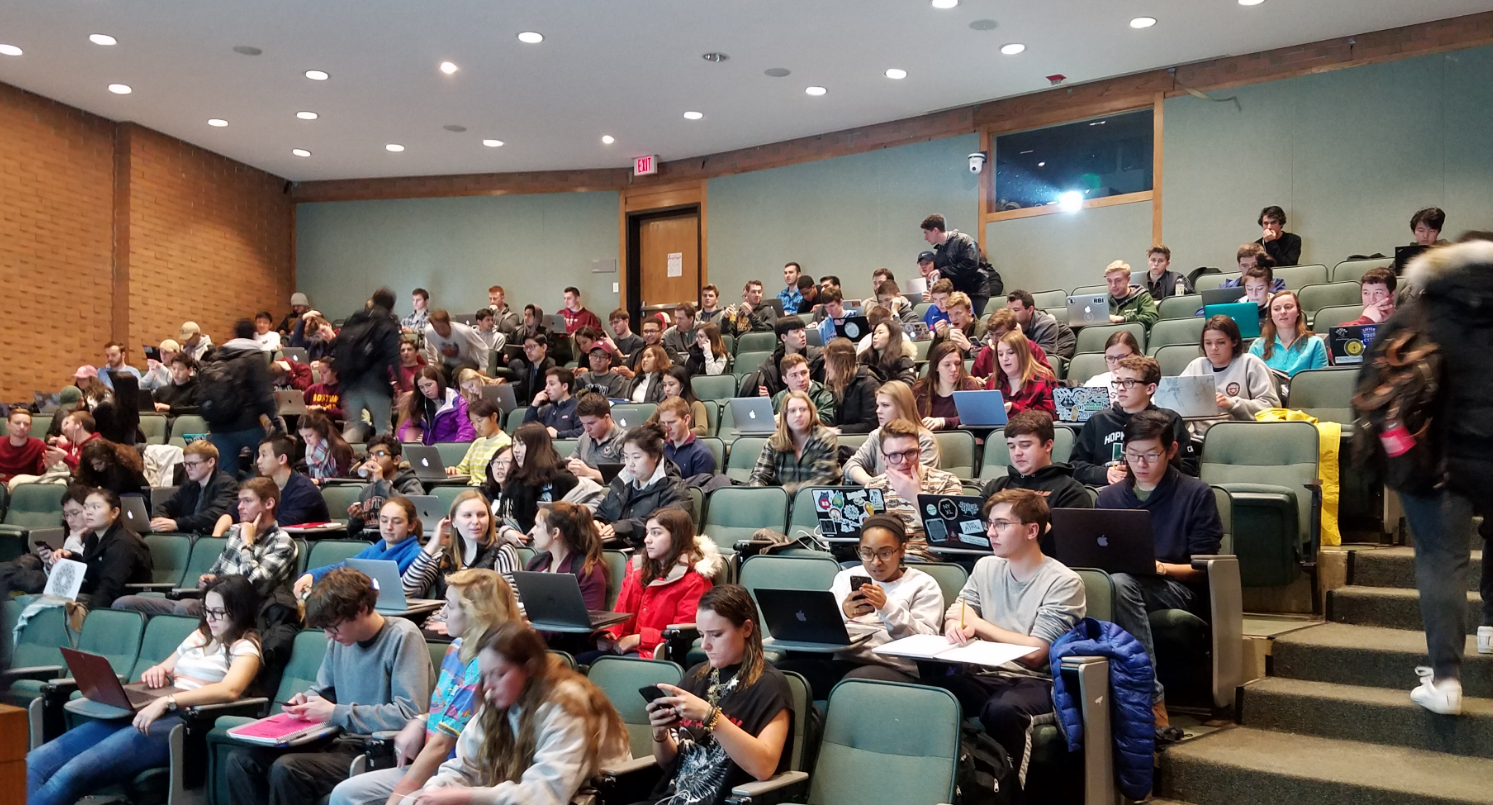 Lectures: Professors deliver lectures on specific subjects or topics, providing theoretical knowledge and concepts.
 - Class Size: Lectures may have a large number of students, allowing for passive learning and note-taking.
- Interactive Classes
- Seminars: Smaller group discussions led by professors, encouraging active participation and critical thinking.
- Group Projects: Collaborative assignments that promote teamwork and practical application of knowledge.
- Case Studies: Analyzing real-world cases to develop problem-solving and analytical skills.
- Laboratory Sessions: Hands-on experiments and practical training in science, engineering, and other disciplines.
- Fieldwork: Field trips or practical experiences relevant to specific subjects, such as geology, archaeology, or environmental studies.
- Examinations: Written or oral exams at the end of a semester or academic year, testing knowledge and understanding of the subject matter.
- Coursework: Assignments, essays, presentations, and projects completed throughout the semester.
- Class Participation: Active engagement in class discussions, group work, and contributions to the learning process.
- Libraries: Well-equipped libraries with vast collections of books, journals, research papers, and digital resources.
- Online Databases: Access to online databases and journals for research purposes.
- Research Centers: Specialized research centers and institutes focused on various disciplines and fields of study.
- Technology and Laboratories: State-of-the-art technology, equipment, and laboratories for scientific research and experimentation.
- Cultural Clubs: Join clubs focused on Chinese culture, arts, music, or language exchange to further explore the local culture.
- Sports Clubs: Participate in sports clubs or intramural leagues to stay active and connect with fellow students.
- Volunteer Opportunities: Get involved in community service projects and contribute to local initiatives.
- Academic Associations: Join academic associations or student societies related to your field of study to network with peers and engage in academic discussions.
- Metro/Subway: Major cities in China have well-developed metro/subway systems, offering efficient and affordable transportation within the city.
- High-Speed Train: China has an extensive high-speed rail network, connecting different cities and regions. High-speed trains are a popular mode of transportation for long-distance travel.
- Bus: Buses are widely available, both for short intra-city journeys and long-distance travel between cities and provinces.
- Domestic Flights: For longer distances, domestic flights provide a quick and convenient way to travel between major cities.
- Plan Ahead: Research and plan your itinerary in advance, considering the distance, transportation options, and attractions you want to visit.
- Public Transportation Apps: Install useful mobile apps for navigation and real-time information on public transportation schedules and routes.
- Language Translation: Carry a pocket phrasebook or use translation apps to communicate with locals and navigate transportation systems.
- Public Hospitals: These hospitals provide comprehensive medical services and are usually affiliated with medical universities.
- International Hospitals: Some cities have international hospitals that cater to the needs of foreigners and offer services in multiple languages.
- Community Health Centers: These centers provide primary healthcare services and are often the first point of contact for minor illnesses and routine check-ups.
- Familiarize Yourself with Emergency Exits: Know the emergency exit locations in your campus buildings and accommodations.
- Stay Informed: Keep updated on safety protocols, emergency procedures, and any travel advisories or alerts issued by your embassy or consulate.
- Personal Safety Precautions: Practice common safety precautions such as being aware of your surroundings, avoiding isolated areas at night, and safeguarding personal belongings.
 Even after leaving China, there are ways to stay connected with the country and its culture: Language Learning Continue to improve your Chinese language skills through language courses, online resources, or language exchange programs. Cultural Events and Communities Attend Chinese cultural events or join local Chinese communities in your home country to maintain connections and continue learning about Chinese culture. Professional Associations and Networks Stay connected with professional associations or networks related to your field of study that have a focus on China or international connections. Planning Your Return or Future Endeavors As you plan your return or future endeavors, consider the following: Document and Share Your Experience Compile your study abroad experience, including photos, reflections, and achievements, to create a portfolio or journal that showcases your time in China. Alumni Networks and Support Stay connected with the alumni network of your university or other international student associations, as they can provide valuable support and networking opportunities. Continued Learning and Growth Embrace a lifelong learning mindset and continue seeking opportunities to expand your knowledge and skills, both in your chosen field and in areas related to your experience in China. Stay updated on the latest developments in your field, engage in professional development activities, and consider pursuing additional certifications or specialized training. Cultural Exchange and Engagement Continue to foster cultural exchange by sharing your experiences and insights about China with others. Engage in discussions, give presentations, or write articles to promote cross-cultural understanding and appreciation. Return Visits and Future Endeavors Consider planning return visits to China to reconnect with friends, colleagues, and the places that hold special meaning for you. Additionally, keep an open mind to future endeavors that may involve China, such as career opportunities, collaborations, or further academic pursuits. Remember, your study abroad experience in China has not only enriched your academic journey but has also provided you with invaluable cultural insights and personal growth. Carry these experiences with you as you embark on your next steps and embrace the possibilities that lie ahead. Note: This guide aims to provide a comprehensive overview of studying in China for international students in 2023. It is important to consult official sources, university websites, and relevant authorities for the most up-to-date information and requirements.
What are the benefits of studying in China as an international student?
Studying in China as an international student offers numerous benefits. Firstly, China has a rich cultural heritage and offers a unique opportunity to immerse oneself in a diverse and rapidly evolving society. Secondly, Chinese universities are known for their high-quality education and world-class research facilities. Additionally, studying in China provides an opportunity to develop cross-cultural communication skills and build a global network of contacts. China’s emerging role as a global leader in various industries also presents exciting career prospects and research opportunities for international students.
How do I choose the right university and program in China?
Choosing the right university and program in China requires careful research and consideration. Start by identifying your academic interests and career goals. Look for universities that offer programs aligned with your field of study. Consider factors such as program accreditation, language of instruction (English or Mandarin), curriculum flexibility, and available academic support services. It’s also helpful to explore university rankings, faculty expertise, and campus facilities. Narrow down your choices based on your preferences and then thoroughly research each institution to make an informed decision.
What support services are available for international students in China?
Chinese universities prioritize the well-being and success of international students and provide a range of support services. These services may include orientation programs, assistance with visa applications and documentation, language classes or language exchange programs, counseling and mental health services, student clubs and organizations, and access to international student advisors. Universities may also offer scholarships and financial aid opportunities to support international students financially. It’s important to research and understand the specific support services offered by the universities you are considering.
What are some popular study fields for international students in China?
China offers a diverse range of study fields that attract international students from various backgrounds. Some popular study fields include engineering (civil, mechanical, electrical, etc.), computer science and information technology, business administration and management, economics, international relations, environmental science and sustainability, Chinese language and culture studies, and art and design. However, it’s important to note that China’s universities excel in many other disciplines as well, and students can explore programs in fields that match their interests and career aspirations.
How can international students immerse themselves in Chinese culture and society while studying in China?
Immersing oneself in Chinese culture and society is an integral part of the study abroad experience in China. International students can participate in cultural activities and festivals, join student clubs or organizations, interact with local students and communities, learn the Chinese language, explore historical and cultural sites, and try traditional cuisine. Engaging in these experiences helps develop a deeper understanding of China’s rich heritage, fosters cross-cultural friendships, and enhances the overall study abroad experience.